In January, Citadel Securities welcomed a cohort of sophomore women to New York for the second annual Ignite Trading Program, a week-long experience designed to give students something many lack early in college: real exposure to what a career in trading actually involves.
Ignite is structured as an immersive introduction to trading as it is practiced at Citadel Securities. Over five days, participants moved through classroom instruction, live desk shadowing, applied trading simulations, and conversations with people across the firm. The goal was not to push students toward a decision, but to give them enough context to make one confidently.
“Ignite is about experience,” said Andrew, Education Program Manager. “You can read about trading or hear people talk about it, but until you see it and try it, it’s hard to know if it’s right for you.”
For sophomore students, that timing matters. Internship and career decisions often arrive before students have had the chance to see certain roles up close. Ignite is designed to meet students early, when clarity can still shape their choices.
How the Program Is Structured
Ignite follows a deliberate structure that builds across the week.
Each morning begins in the classroom, where participants are introduced to capital markets, equities, options, and the fundamentals of market making. The sessions assume strong analytical ability, but no prior finance background.
“These sessions aren’t about memorizing content,” Andrew said. “They’re about building a framework so when you see something later, it makes sense.”
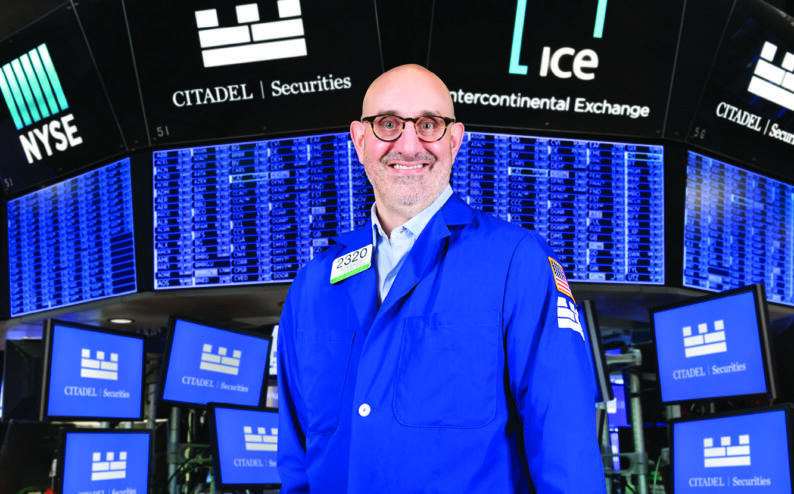
Afternoons shift to the trading floor. Participants complete multiple shadowing sessions across desks, products, and trading styles, speaking directly with traders about how they make decisions in real time.
Throughout the week, those experiences are reinforced through simulations. Participants engage in structured market making games and a multi-day team simulation that culminates on Friday, requiring them to build strategies, test assumptions, and adjust based on results.
“The repetition is intentional,” Andrew said. “Learn it, see it, try it.”
What Seeing the Work Changes
For many participants, the most valuable shift was moving from abstract ideas to concrete understanding.
Kate, a sophomore at the University of Chicago studying economics and mathematics, said the difference was immediate.
“You hear about markets in class, but watching someone walk through a decision as it’s happening is completely different,” she said. “It helped me understand what the job actually looks like day to day.”
Shadowing sessions were conversational by design. Traders explained what they were doing, why they were doing it, and how they thought about risk, often inviting participants to share their own thinking.
“I was surprised by how much judgment is involved,” said Victoria, a sophomore studying economics and applied math at Harvard. “It’s not just speed. It’s knowing when to act and when not to.”
Seeing multiple desks also broadened participants’ perspectives.
“I didn’t realize how different trading roles could be within the same firm,” Victoria added. “That helped me think more clearly about where my strengths might fit.”
Learning by Doing, and Learning About Yourself
The simulations pushed participants from observation into decision-making.
Working in teams, participants built strategies, tracked performance, and adjusted as conditions changed. Mistakes were expected and openly discussed.
“You learn a lot about yourself,” said Saranya, a sophomore at the University of Pennsylvania studying systems engineering and finance. “How you react when something goes wrong, whether you stay calm, whether you want to keep iterating.”
She also noted that the format made the learning engaging.
“You’d get competitive, mess something up, laugh about it, and then try again,” Saranya said. “It made the whole process feel fun.”
Several participants pointed to this hands-on component as key to building confidence.
“I didn’t leave feeling like I had all the answers,” Kate said. “I left feeling confident that I could figure out whether this path makes sense for me.”
Understanding the Firm and Preparing for What Comes Next
Ignite also focuses on helping participants understand the firm and the path forward.
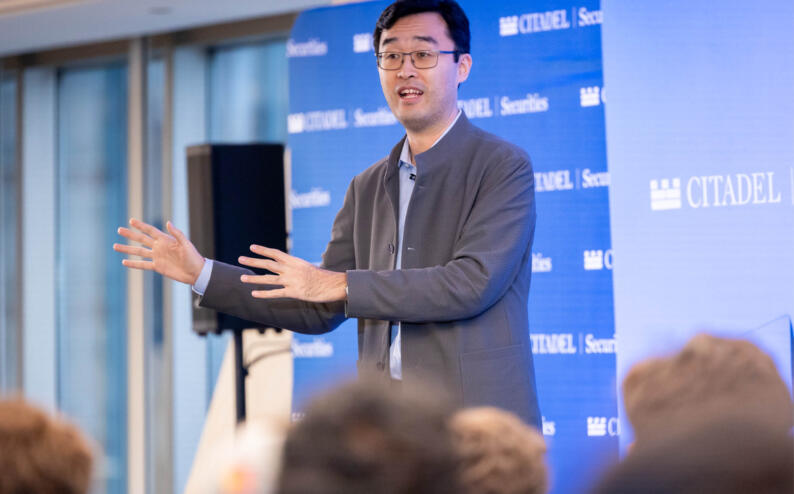
Throughout the week, students attended panels with practitioners across functions, met with the firm’s Chief People Officer to learn about how Citadel Securities invests in early career talent, and participated in a dedicated interview training session focused on trading interviews.
That session walked through what trading interviews are designed to assess, how candidates are expected to think through problems, and why interviewers focus on process rather than arriving at a single correct answer.
“It was really helpful to understand what interviews are actually looking for,” Victoria said. “It made the idea of interviewing for trading feel much more approachable.”
Those lessons were reinforced later in the week during a senior leadership dinner, where participants spoke candidly with firm leaders about learning curves, career paths, and growth over time.
“What people said at dinner matched what we saw during the day,” Kate said. “That made everything feel more real.”
Experiencing the Full Picture
Because Ignite takes place in New York, participants also experienced the pace of working in the city.
Days were structured and full. Evenings included shared meals, informal conversations, and a planned Broadway outing that gave participants space to decompress.
“It was intense in a good way,” Kate said. “And also genuinely fun.”
Advice From This Year’s Participants to Next Year’s Cohort
When asked what they would tell future Ignite participants, this year’s cohort shared a few consistent themes:
- Come in curious, not prepared.
“You don’t need to know finance,” Saranya said. “You just need to be willing to ask questions and try things.” - Engage during shadowing.
“Ask what people are thinking,” Victoria advised. “That’s where you learn the most.” - Expect to make mistakes.
“The simulations are supposed to be hard,” Kate said. “You learn more when things don’t go perfectly.” - Use the week to learn about yourself.
“Pay attention to what you enjoy,” Saranya said. “That’s the biggest signal.”
What Participants Took With Them
By Friday afternoon, Ignite shifted from immersion to reflection.
Some participants left excited to pursue trading. Others left with clarity that helped narrow their options. Both outcomes were intentional.
“I feel more certain about how to think about my future now,” Saranya said. “And that’s something I didn’t have before.”
Ignite does not ask students to commit to a career. It gives them the exposure to decide with clarity, confidence, and enough lived experience for that decision to matter.