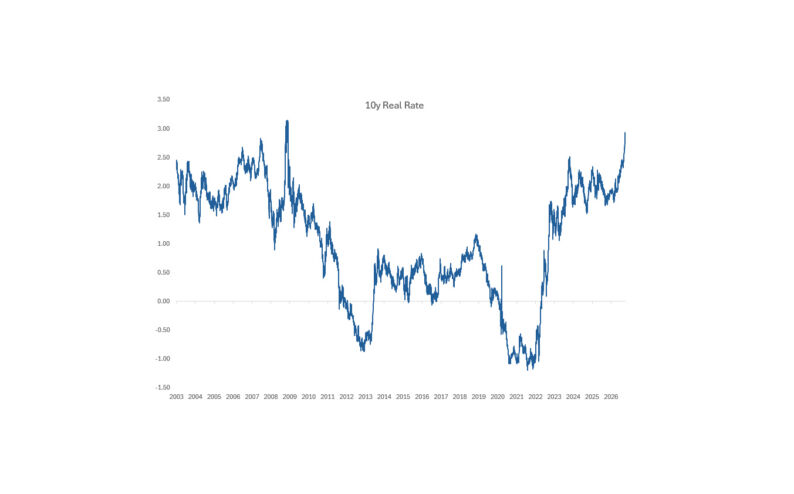
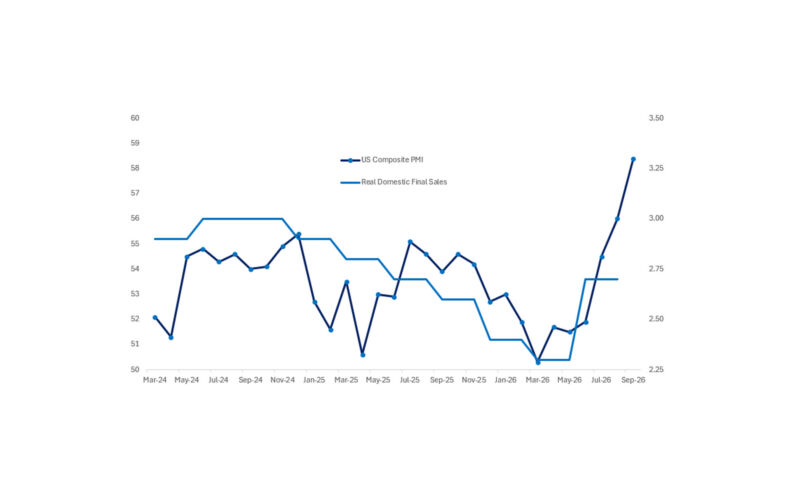
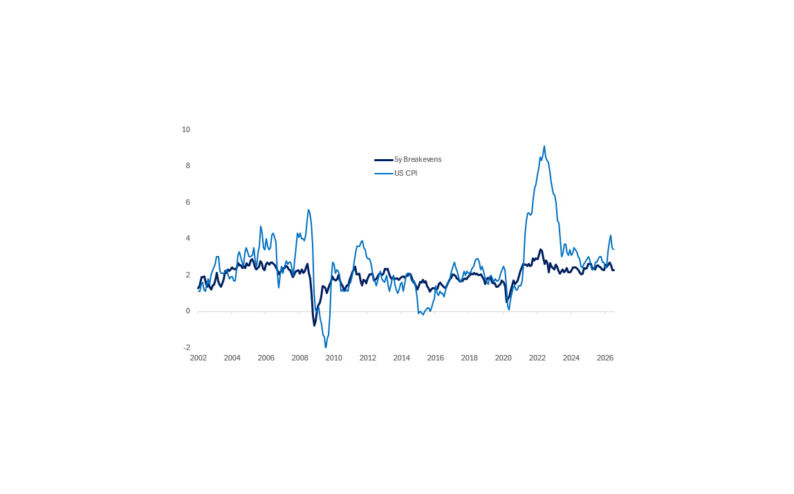
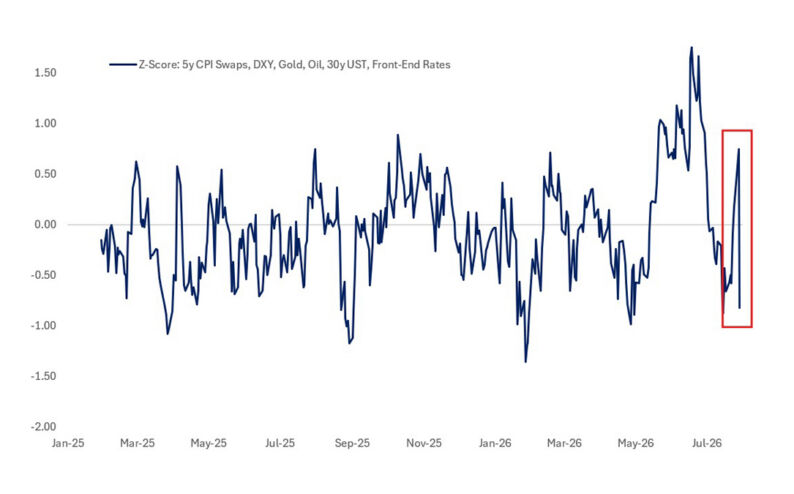
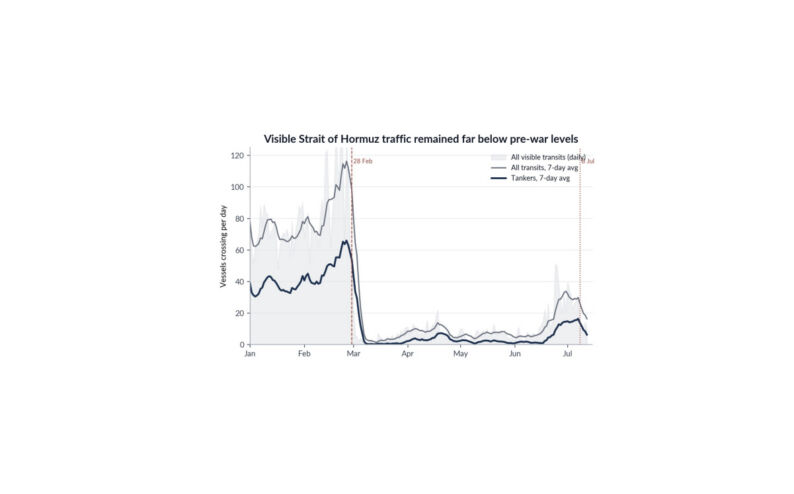
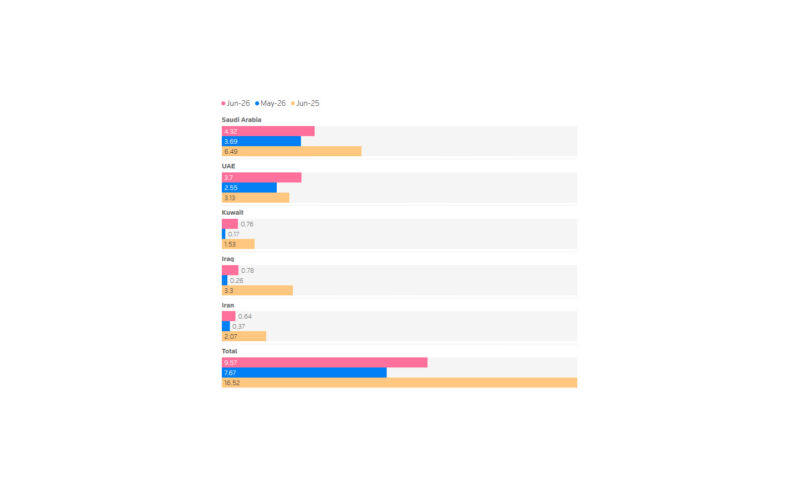
AS GLOBAL YIELDS CONTINUE TO MARCH HIGHER, it’s worth bucketing the moves into three core pillars. First, the case for tighter policy remains compelling…fiscal largesse, relatively resilient labour markets and an energy shock layered onto several years of above-target inflation. Second, markets are upgrading their assessment of real growth…and the real rates the economy can absorb. The resilience of risk assets despite additional tightening being priced suggests that markets are not treating higher policy rates as an automatic recession signal. This is consistent with the growth repricing I discussed last week…and helps explain why US forward rates such as 5y5y have participated in the sell-off, rather than leaving the front end to do all the work. Third, the AI-investment cycle is becoming a much larger claim on capital markets (rather than simply a deployment of internally generated cash). The scale extends well beyond hyperscaler bond issuance: out of ~$500bn of AI-related debt issuance, hyperscalers account for less than half. Nor is the financing confined to public bonds…Apollo’s $35bn private financing commitment for Broadcom’s AI platform illustrates capital being mobilised through other channels. Public bonds, datacentre project finance, and private credit all draw, in different ways, on institutional balance sheets. And the high-quality, long-dated portion of that supply offers an increasingly substantial alternative to sovereign duration. In my assessment, this competition is an additional headwind for government bonds, even where the growth and inflation outlook has changed relatively little. In effect, the same boom that supports risk assets is helping raise the yield that governments must pay to compete for capital.
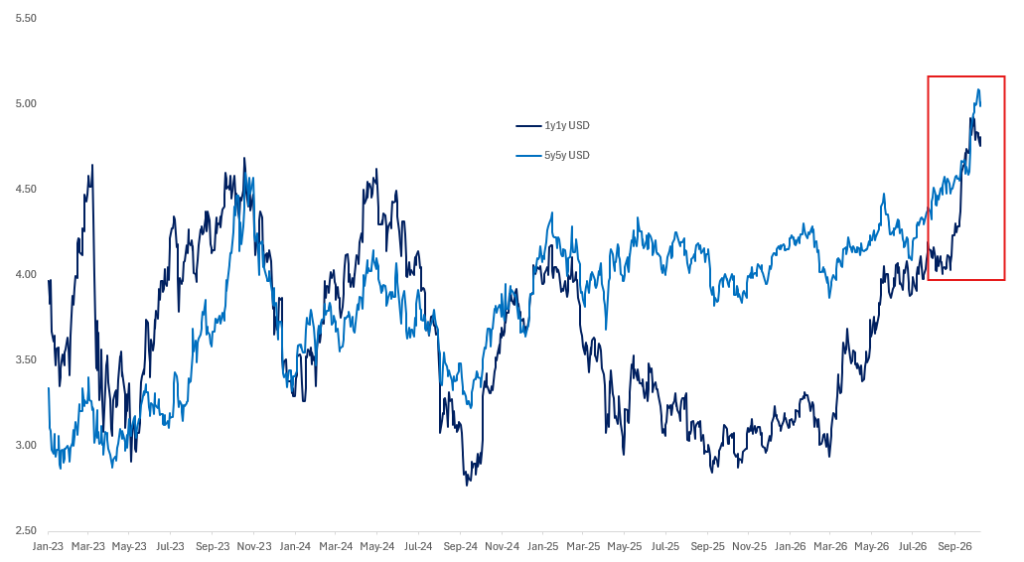
Source: Bloomberg, Citadel Securities
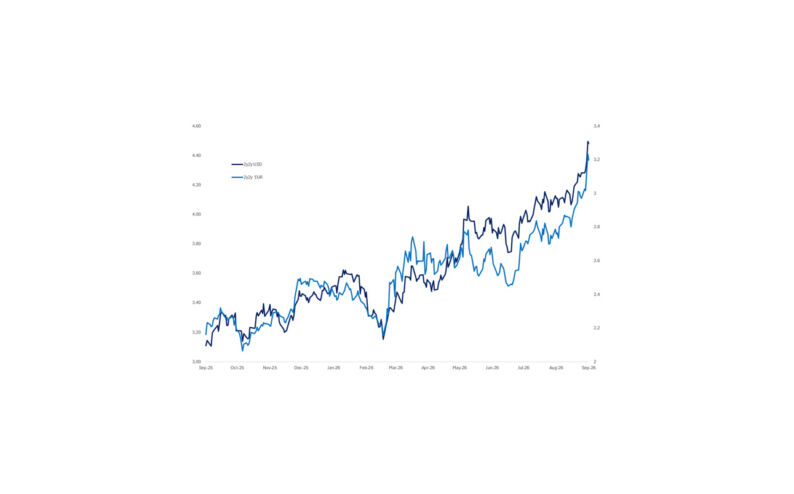
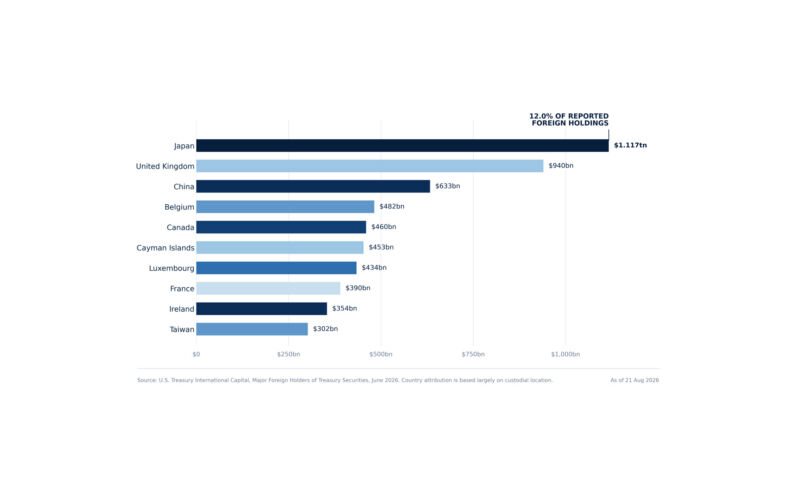
WHILST AMERICA’S AI-INVESTMENT CYCLE MAY HELP IT’S ECONOMY ABSORB HIGHER RATES, EUROPE HAS MUCH LESS OF THAT OFFSET…reinforcing my concern that it risks importing more of the costs of the boom without the benefits. In France, that asymmetry is becoming a fiscal problem, not simply a financial-conditions headwind. French 10y yields have risen roughly 130bp since end-2025, likely adding about €4.5bn to the national interest expense (~15bp of GDP). That is an increasingly uncomfortable combination for a country carrying debt of 119% of GDP and where the Banque de France expects just 0.4% real growth this year. Presidential candidate Marine Le Pen’s €140bn savings target by 2032 (including a return to primary balance within 18 months of taking office) is ambitious on paper…but the credibility of the proposed savings remains contested, especially given it represents a swing in the primary balance of 3.85% of projected GDP, implying a primary surplus that France hasn’t achieved since the early 2000s. Debt dynamics ultimately come back to r–g: when the effective interest rate exceeds nominal growth, stabilising debt/GDP requires a primary surplus. Higher market yields feed into that equation progressively as debt refinances…whilst weak growth leaves more of the adjustment to fiscal policy. France therefore faces an increasingly demanding fiscal consolidation precisely when its politics appear least conducive to delivering one. The US has more room for manoeuvre…nominal growth in the 5–6% range provide a meaningful cushion over its reported average borrowing cost of ~3.5%. The dollar’s reserve-currency role and the depth and liquidity of the Treasury market bestow a further advantage by supporting structural demand for US government debt. But neither advantage removes the need for fiscal discipline…sufficiently large primary deficits can overwhelm even favourable r–g dynamics. Stronger growth and reserve-currency status buy America time, not immunity. In sum, the global rise in yields does not create the same fiscal problem everywhere and I expect market pressure to remain most acute where high debt meets weak nominal growth…with promises of consolidation that the politics cannot deliver.
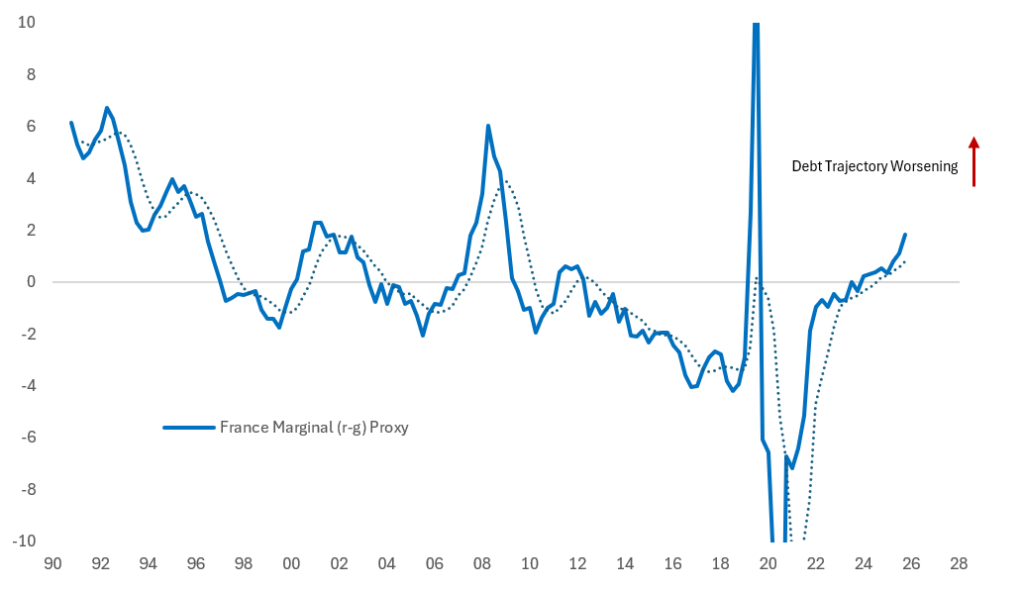
Source: Bloomberg, Citadel Securities
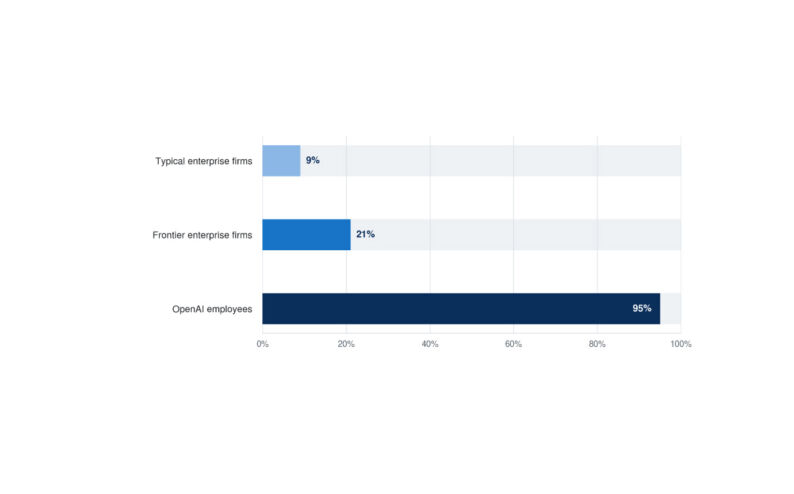
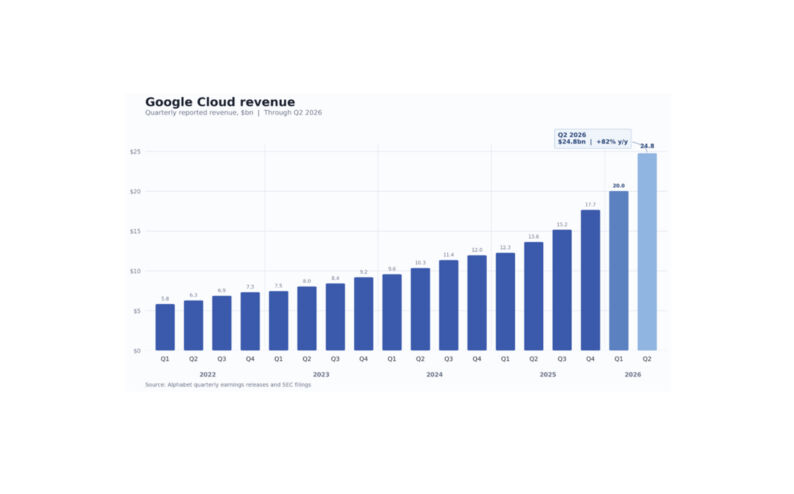
OPENAI REPORTEDLY CLARIFYING THAT SEPTEMBER ANNUALISED REVENUES WERE APPROACHING $50BN RATHER THAN ~$70BN largely reflects differences in the treatment of cloud-partner sales, rather than $20bn of demand disappearing. But it reinforces an important distinction: demand for intelligence, revenues from selling it and returns on the capital required to produce it are three different things. The technological progress remains extraordinary, but the economically important development is how much capability becomes affordable to deploy. Anthropic says Haiku 5.5 costs around 75% less to run than its predecessor whilst delivering materially stronger computer-use performance. Mistral’s Large 4 preview, with weights due for release later this month, further broadens the open-model challenge beyond China. Both developments support diffusion, whilst reinforcing the competitive pressure on proprietary intelligence. Cheaper, more capable models can expand the range of viable applications and sustain greater compute consumption, without necessarily preserving the pricing power of those developing them. In essence, a bullish view on adoption and compute does not necessarily translate into an equally bullish view on standalone frontier economics. Nor should we assume the opposite extreme, that open models will inevitably eliminate the frontier premium. OpenAI’s stronger protections against distillation (the use of its models’ outputs and hidden reasoning to train competitors) could make capabilities more expensive to replicate and help preserve differentiation. Although, defending a technological lead and earning an attractive return on the capital required to maintain it are different challenges. This is why I remain more bullish on hyperscalers, whose economics extend beyond selling access to a model and whose investment case does not depend on one model retaining its lead. They can participate through compute, distribution and enterprise deployment across competing models, as illustrated by Haiku’s availability through AWS, Google Cloud and Azure. Google’s latest agreement with Constellation takes that breadth a step further: a 20-year power-purchase commitment supports 890MW of additional nuclear capacity, whilst Constellation has also selected Google Cloud and Gemini Enterprise under an expanded five-year technology agreement. Google is helping underwrite the power supply required for growth whilst also selling technology to the business providing it. In my mind, the more durable opportunity lies in enabling and monetising the broader deployment of intelligence…rather than relying solely on the premium earned at its frontier.
Legal Entities Disseminating this Material: This material is disseminated in the United Kingdom by Citadel Securities (Europe) Limited (“CSEL”) regulated by the Financial Conduct Authority (“FCA”) (Registered company number: 05462867); in the European Union by Citadel Securities GCS (Ireland) Limited (“CSGI”) and its Paris Branch regulated by the Central Bank of Ireland (“CBI”) (Registration Number: C173437); in Hong Kong by Citadel Securities (Hong Kong) Limited (“CDHK”) licensed by the Securities and Futures Commission of Hong Kong (“SFC”), in Japan by Citadel Securities Japan Co., Ltd (“CSJC”) registered as a Type 1 financial instruments business operator with the JFSA; and in the United States of America by Citadel Securities LLC (“CDRG”) registered with the Securities Exchange Commission (“SEC”) and Financial Industry Regulatory Authority (“FINRA”), Citadel Securities Institutional LLC (“CSIN”) registered with the SEC and FINRA or Citadel Securities Swap Dealer LLC (“CSSD”) registered with the SEC, Commodities Futures Trading Commission (“CFTC”), and National Futures Association (“NFA”). Unless governing law permits otherwise, you must contact a Citadel Securities entity in your home jurisdiction if you want to use our services in effecting a transaction in any financial instruments or securities, including derivatives.
FOR INSTITUTIONAL USE ONLY; FOR PROFESSIONAL CLIENTS AND ELIGIBLE COUNTERPARTIES ONLY. This material is not intended as and does not constitute investment research. Contents of this material will be strictly limited to non-specific, generic information (i.e. macro events/topics) and are not subject to the Markets in Financial Instruments directive (MiFID II) or FINRA research rules. This material does not constitute an offer, solicitation, invitation, or inducement to purchase, acquire, subscribe to, provide, or sell any financial instrument or otherwise engage in investment activity.
https://www.citadelsecurities.com/privacy/
Please see additional important disclosures, including disclosures that may be relevant to your country of residence or business at: https://www.citadelsecurities.com/disclosures/citadel-securities-fimm-sales-trading-disclosures/