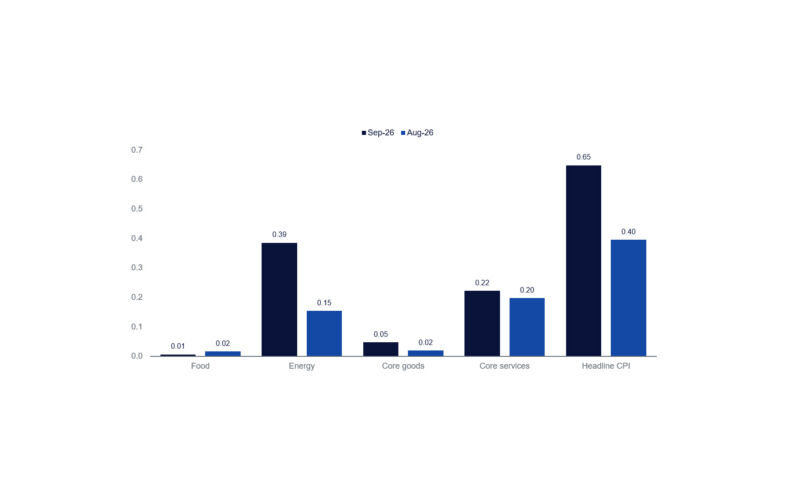
THE ELECTION RESULTS REINFORCE A FAMILIAR POLITICAL LESSON: ECONOMIC CONDITIONS AND HOUSEHOLD PURCHASING POWER REMAIN CENTRAL TO VOTER SENTIMENT. The breadth of Republican losses suggests meaningful dissatisfaction with the direction of the administration, particularly around issues affecting households and everyday economic well-being. Concerns about the cost of living, tariffs, and the economic consequences of the Iran conflict have weighed on voters. Accountability was another important consideration…the AP voter survey found more than half of voters considered government corruption crucial to their congressional vote, slightly more than the share citing the cost of living. The broader takeaway is that affordability and confidence in government remain closely intertwined, with voters looking for policies that deliver tangible improvements in their everyday lives. The coalition that returned Trump to office also proved more conditional than claims of a durable political realignment suggested…56% of men under 30 backed him in 2024, yet 59% supported Democratic House candidates this time. The Democratic margin among Hispanic women also widened to 36 percentage points from 21 points in 2024. Presidential and midterm elections draw different electorates, but the primary lesson is that support must be continually earned. Democrats should therefore recognise this as more a moment than a mandate…52% of midterm voters still viewed their party unfavourably. Rejection of the current administration gives them an opportunity to rebuild trust but treating it as unconditional approval of their entire ideological programme would risk repeating the GOP’s mistake. In that respect, the larger House majority reduces Hakeem Jeffries’ dependence on the progressive left, giving leadership more room to govern from the centre. My sense is that this could also strengthen the prospects of a more moderate presidential nominee in 2028. Moreover, that freedom should be used to demonstrate competence and restore credible oversight…making impeachment the centrepiece of the next two years would be a mistake. Another all-consuming confrontation with little prospect of removal would risk distracting from the practical concerns that delivered this majority. Evidence-led investigations into alleged self-dealing and conflicts of interest are a more useful exercise of accountability, alongside a practical governing agenda. Republicans, meanwhile, face the task of rebuilding with a congressional party still heavily identified with Trump. One central choice is whether to double down on a Vance-led version of America First or move towards a more traditional Reagan-style Republicanism centred on markets, fiscal discipline, and alliances. Either route requires an honest assessment of why voters withdrew their support…changing the messenger achieves little without a convincing response to voter concerns. Ultimately, the significance of these elections transcends party affiliation. America’s constitutional framework and system of checks and balances have demonstrated their resilience…the public has retained the power to hold its leaders accountable and change the direction of government. In my mind, that capacity for correction is a powerful affirmation of American democracy and an enduring source of strength for the country. It should reinforce confidence in the resilience of its institutions over the long term, whilst reminding both parties that public trust must be continually earned. Political power remains conditional on listening to the American people and serving them.
THE POLITICS OF AI ARE FORCING A REASSESSMENT OF THE BUILDOUT. I have been writing about this since May, when I highlighted the uncomfortable parallel with globalisation…diffuse, long-term benefits offer limited political protection when communities believe they are bearing immediate costs through higher electricity bills, pressure on local resources and the prospect of job displacement. The midterms have given those concerns greater political weight…Democratic control of Congress allows for closer scrutiny, but the more immediate constraints come through states such as Texas, where permitting and grid connections determine the pace and scale of data centre construction. Texas Governor-elect Gina Hinojosa’s commitment to maintain a moratorium until stronger protections are legislated raises the risk of prolonged delays. The market has understandably focused on the implications for AI capex, but I would be wary of assuming Democrats will stop construction altogether. Pennsylvania’s Shapiro administration already offers greater permitting speed and certainty to projects meeting standards on electricity affordability and community benefits. There is a potential bargain here…developers shoulder more of the costs they impose, and communities gain a clearer interest in allowing projects to proceed. My base case is longer delays, tougher conditions and selective resumption…with some projects relocated or abandoned along the way.
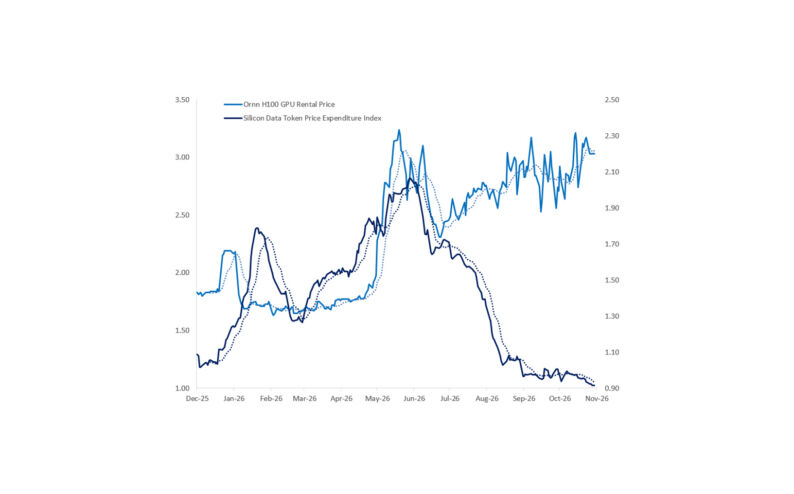
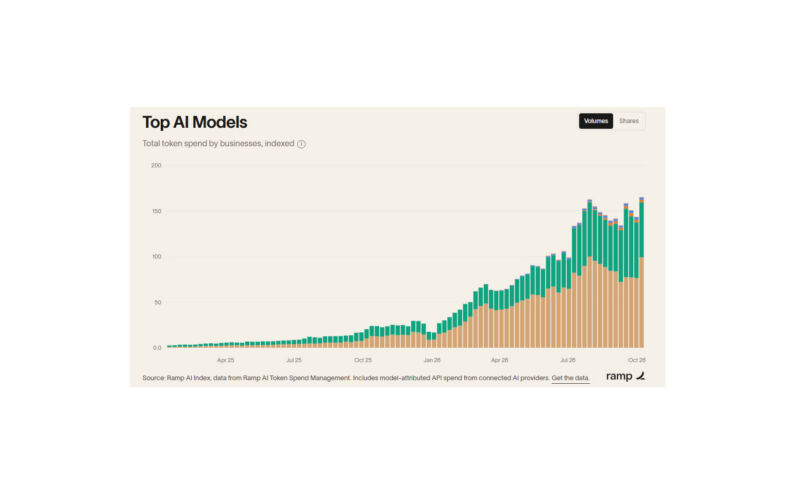
FOR INVESTORS, THIS SHARPENS THE DISTINCTION between compute that is already operating and capacity that still needs to be permitted, financed, and connected. Assuming demand for compute continues to exceed available supply, restricting incremental capacity should support utilisation and the scarcity value of the installed base. This reinforces my relative preference for hyperscalers with operational compute, secure power access, financial flexibility, and several routes to monetisation. There was evidence of this dynamic in the market this week, with hyperscalers outperforming semis. For projects still awaiting delivery, restrictions can push revenues further into the future whilst financing and development costs continue to accumulate…raising the return investors should demand for funding the buildout. Frank Flight’s Wednesday note captured the rotation towards a “peak AI capex” theme…slower delivery of powered buildings can leave component production running ahead of installation, exposing hardware suppliers to order deferrals and excess inventories even whilst usable compute remains scarce. In my view, this raises the premium on capacity that can earn a return today…and the hurdle for capital committed to its future delivery.
STEPPING BACK, I THINK THE POLITICAL AND MARKET IMPLICATIONS OF THESE ELECTIONS are connected by a common principle…economic progress ultimately depends on retaining the consent of those expected to bear its costs. The same electorate that punished an administration for neglecting household affordability is now imposing constraints on an investment cycle whose aggregate economic promise has often obscured its more immediate local consequences. I remain constructive on the long-term demand for AI, but increasingly selective about where the economic rents from that demand will accrue. Slower capacity additions may ultimately reinforce the pricing power of those already operating scarce compute, even as they undermine the economics of suppliers dependent on an uninterrupted construction boom. There is a broader lesson here for both policymakers and investors…technological progress does not occur in a political vacuum, and the distribution of its costs and benefits can be as consequential as their aggregate magnitude. The AI investment cycle is unlikely to end here, but its next phase may be shaped as much by political consent and the scarcity of usable capacity as by the extraordinary technological possibilities that set it in motion.
Copyright © Citadel Enterprise Americas LLC or one of its affiliates. All rights reserved.
Legal Entities Disseminating this Material: This material is disseminated in the United Kingdom by Citadel Securities (Europe) Limited (“CDGE”) authorized and regulated by the Financial Conduct Authority (“FCA”) (Registered company number: 05462867); in the European Union by Citadel Securities GCS (Ireland) Limited (“CSGI”) and its Paris Branch authorized and regulated by the Central Bank of Ireland (“CBI”) (Registration Number: C173437); in Hong Kong by Citadel Securities (Hong Kong) Limited (“CDHK”) licensed by the Securities and Futures Commission of Hong Kong (“SFC”), in Japan by Citadel Securities Japan Co., Ltd (“CSJC”) registered as a Type 1 financial instruments business operator with the Japan Financial Services Agency (“JFSA”); and in the United States of America by Citadel Securities LLC (“CDRG”) registered with the Securities Exchange Commission (“SEC”), Financial Industry Regulatory Authority (“FINRA”), and Securities Investor Protection Corporation (“SIPC”), Citadel Securities Institutional LLC (“CSIN”) registered with the SEC, FINRA, and SIPC, or Citadel Securities Swap Dealer LLC (“CSSD”) registered with the SEC, Commodities Futures Trading Commission (“CFTC”), and National Futures Association (“NFA”). Unless governing law permits otherwise, you must contact a Citadel Securities entity in your home jurisdiction if you want to use our services in effecting a transaction in any financial instruments or securities, including derivatives.
FOR INSTITUTIONAL USE ONLY; FOR PROFESSIONAL CLIENTS AND ELIGIBLE COUNTERPARTIES ONLY. This material is not intended as and does not constitute investment research. Contents of this material will be strictly limited to non-specific, generic information (i.e. macro events/topics) and are not subject to the Markets in Financial Instruments directive (MiFID II) or FINRA research rules. This material does not constitute an offer, solicitation, invitation, or inducement to purchase, acquire, subscribe to, provide, or sell any financial instrument or otherwise engage in investment activity. Please see additional important disclosures, including disclosures that may be relevant to your country of residence or business at www.citadelsecurities.com/GlobalSalesTrading.