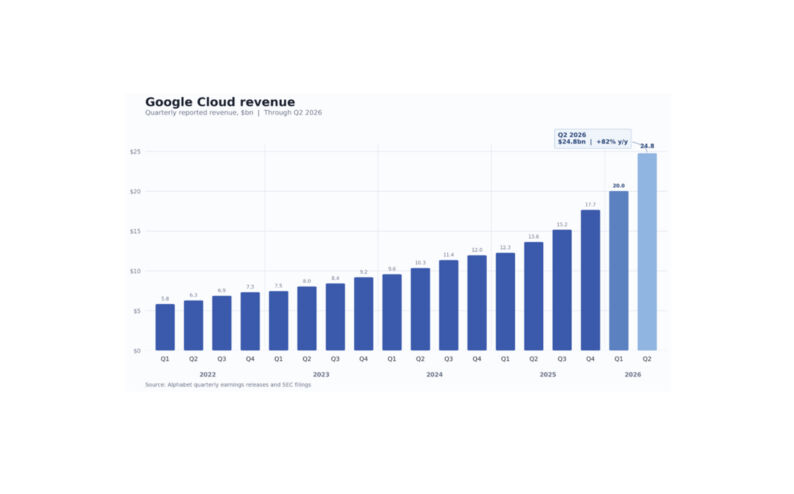
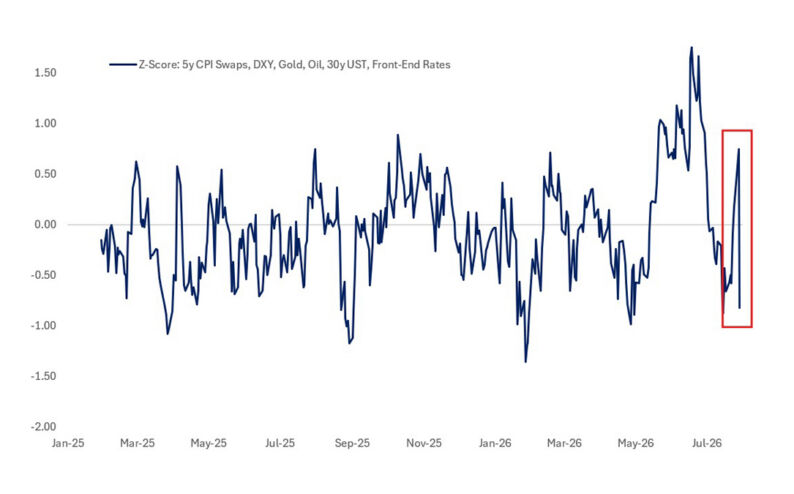
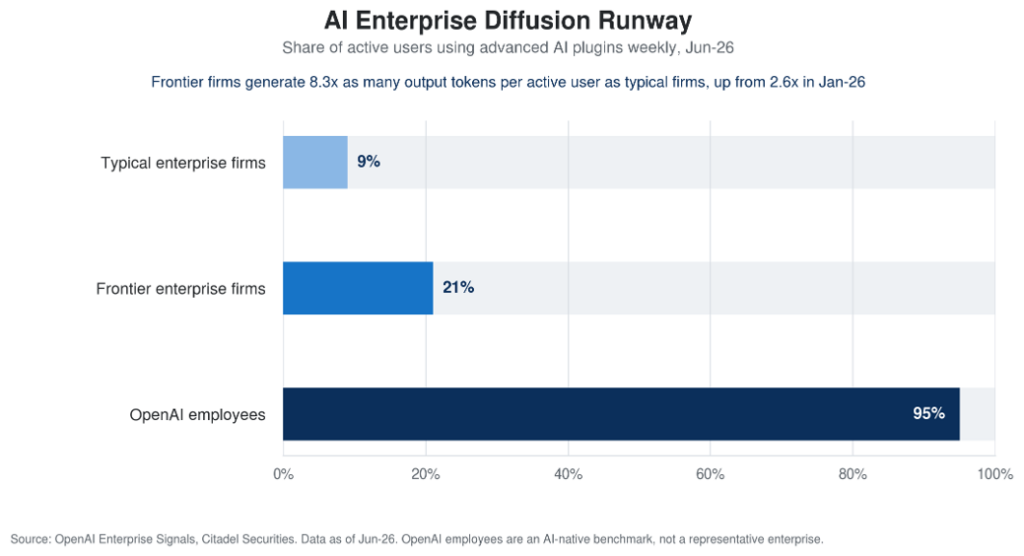
THE WINDOW FOR OPTIMISM HAS STARTED TO OPEN…AND COMPUTE DEMAND IS STILL OUTRUNNING SUPPLY. I ended last week’s note explicitly bullish on equities, arguing that stronger AI fundamentals and the prospect of greater stability in long-end yields should create a favourable window for US risk assets into the midterms. It’s too early for a victory lap, but the market has at least started to move in that direction this week, with AI-related technology helping to lead the rebound. The immediate constraint on the equity story is the price of duration, rather than any deterioration in the demand for compute. The remarkable point is not how much compute is already being consumed…but how unevenly that consumption remains distributed. OpenAI’s top-decile enterprise customers now generate 8.3x as many output tokens per active user as firms around the median, up from 2.6x in January, whilst independent US survey data show that although 45% of workers use generative AI at work, only 14% use it every working day and it still touches just 6% of total work hours. Against a global population of almost 900mn knowledge workers and developers, the diffusion runway remains enormous. Capability is also continuing to improve…the newly released GPT-6 Astra may represent an important change in the nature of the workload…its significance is less that it wins another benchmark, but more that it moves AI from answering questions towards completing work across longer, multi-step tasks. Along with Grok Bot, my sense is that this is an important development in the AI diffusion narrative. The unit of compute demand therefore shifts from intermittent human queries to persistent “software labour”. This is Jevons paradox applied to intelligence: greater efficiency reduces the compute required for an individual task, but lower costs and better capability expand the number of economically viable tasks even faster. In other words, cheaper intelligence does not mean less compute…it may mean considerably more intelligence is consumed. Nor is this a thesis which depends on one frontier lab. If Anthropic slows, OpenAI continues to push the frontier, Meta continues to build around both proprietary and open models, enterprises customise models against their own data and an increasingly broad open ecosystem (Chinese or otherwise) makes advanced capability available to millions of developers. The more useful way to think about compute demand is therefore as a queue…several overlapping demand curves across frontier training, post-training, high-volume inference, enterprise deployment, sovereign AI, and increasingly “always-on” agents.
ALL OF THIS DEMAND IS ALREADY COLLIDING WITH AN UNUSUALLY CONSTRAINED SUPPLY SYSTEM. Investors remain focused on the risk of overbuilding…but the more immediate risk may be that the capacity already planned is absorbed before political delays, grid constraints and permitting restrictions are taken into account. Regulation risks making compute scarcer, more expensive, and increasingly reserved for those with the greatest ability to pay. In my mind, that remains the central political failure around AI. The public-relations challenge has been significant…some of the industry’s most prominent leaders have spent years emphasising AI’s potential to reshape the workforce and the broader economy, whilst the substantial physical infrastructure required to support its growth has increasingly become a source of concern for workers and local communities. The positive case has not been articulated as clearly as it should have been. AI may ultimately be one of the most important forces for raising productivity and reindustrialising America, drawing enormous investment into power generation, semiconductors, electrical equipment, construction, skilled trades, and advanced manufacturing, whilst making the physical economy itself more productive. However, building public support will require a clearer explanation of these broader benefits, as well as greater engagement with communities facing increased demands on power, water, and infrastructure…and a more compelling account of how the economic upside of this investment will be widely shared. The risk is that legitimate questions around cost allocation become a broader presumption against building, and ultimately the over-regulation of AI itself. This is important because China appears to be approaching the same technological shift with a very different sense of urgency. Stefan Hoops, writing after a recent trip to Beijing, highlighted one particularly striking observation: “ten generations suffered because one generation missed the Industrial Revolution”. That framing helps explain why China increasingly treats AI not as another technology cycle, but as an intergenerational race requiring the coordinated mobilisation of compute, power, capital, and industrial policy. The contrast with the US is becoming uncomfortable. Washington views AI leadership as a national-security imperative, but the infrastructure required to deliver it must still pass through a political system which seems willing to reject it. Put simply, China is attempting to accelerate adoption across the entire physical economy while much of the US debate is still focused on whether the next data centre should be built at all. The danger is not that AI fails to deliver…it is that America regulates away both the capacity required to remain at the frontier and one of its best opportunities to rebuild its industrial base.
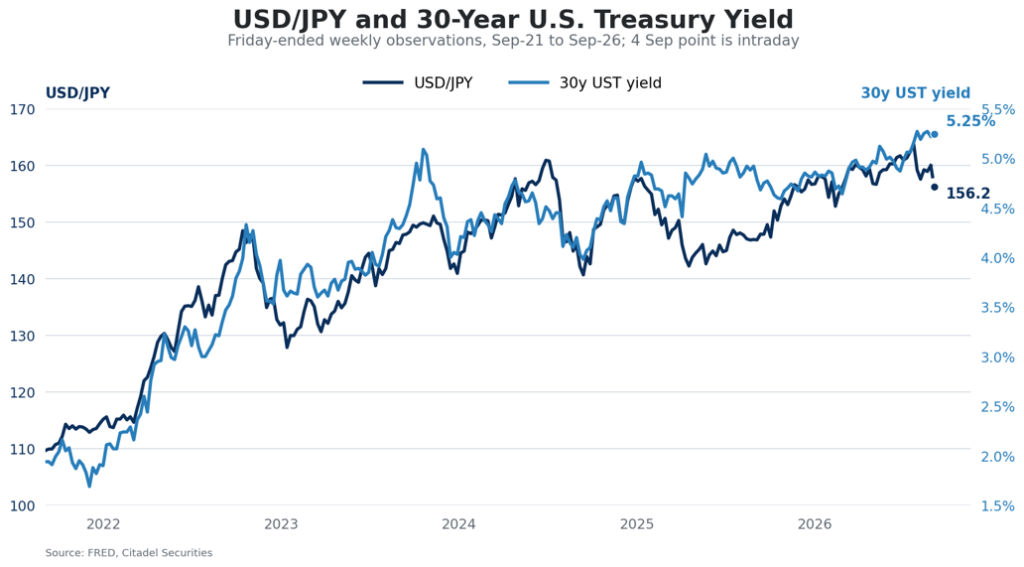
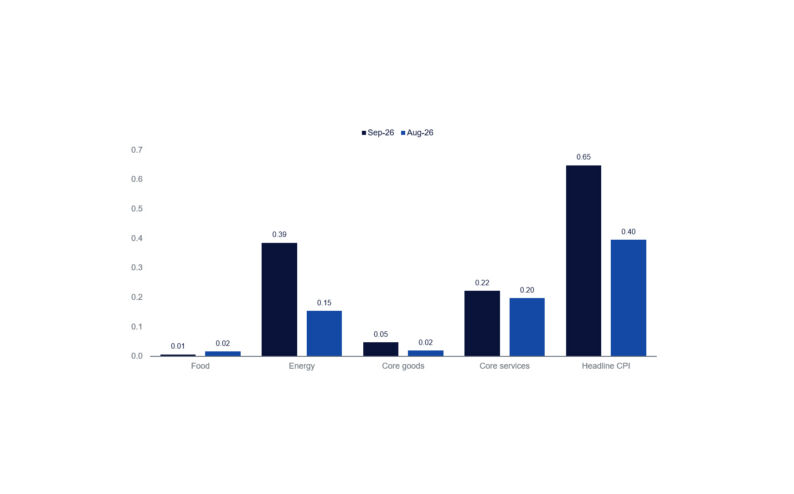
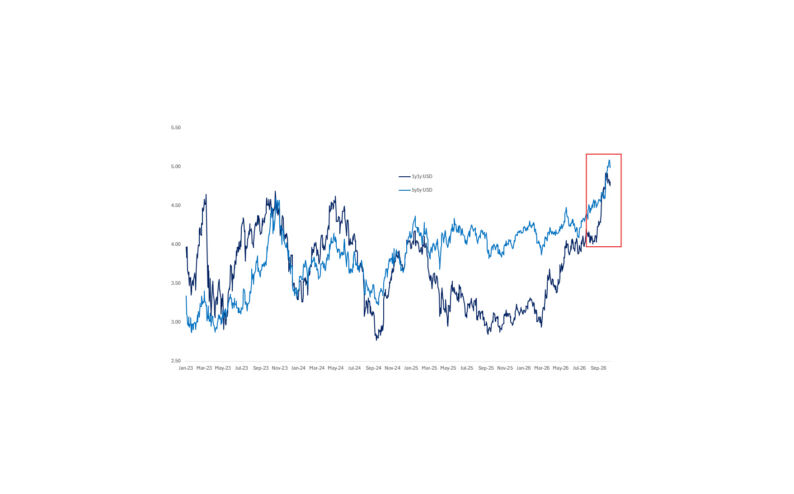
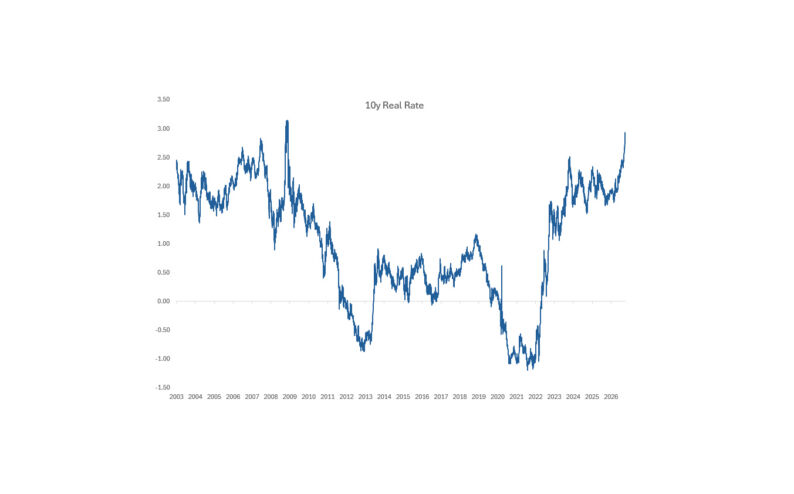
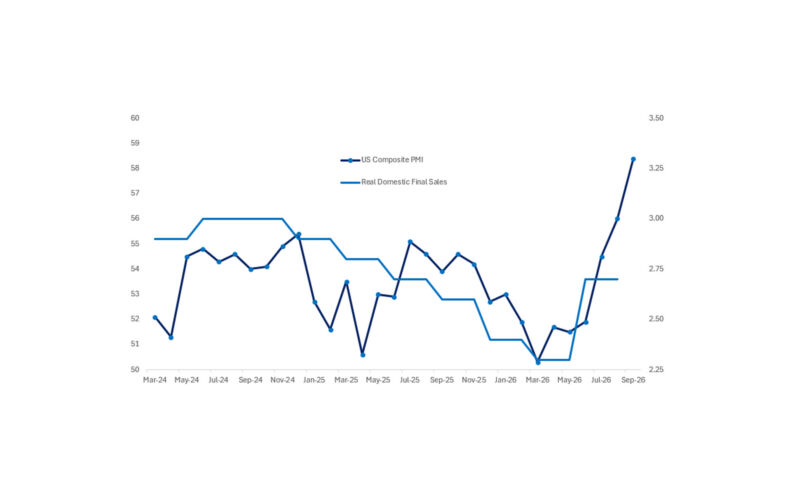
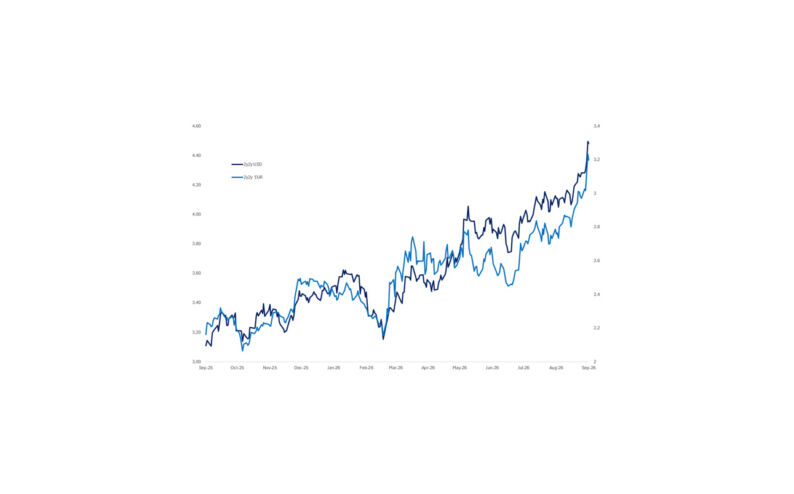
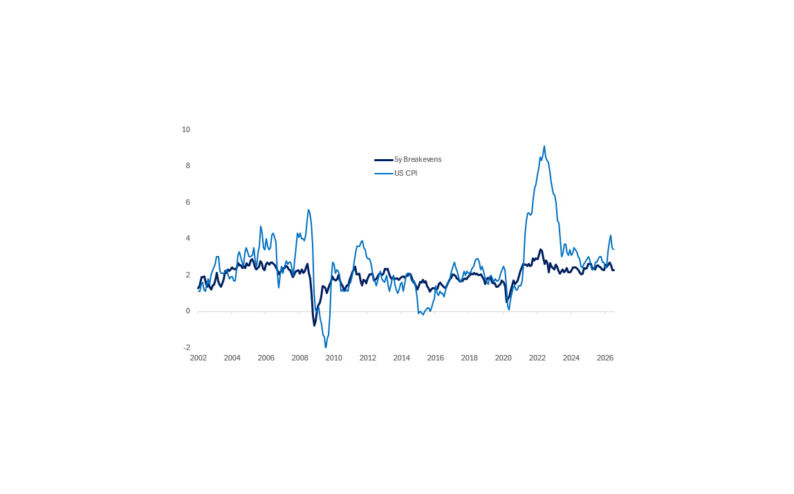
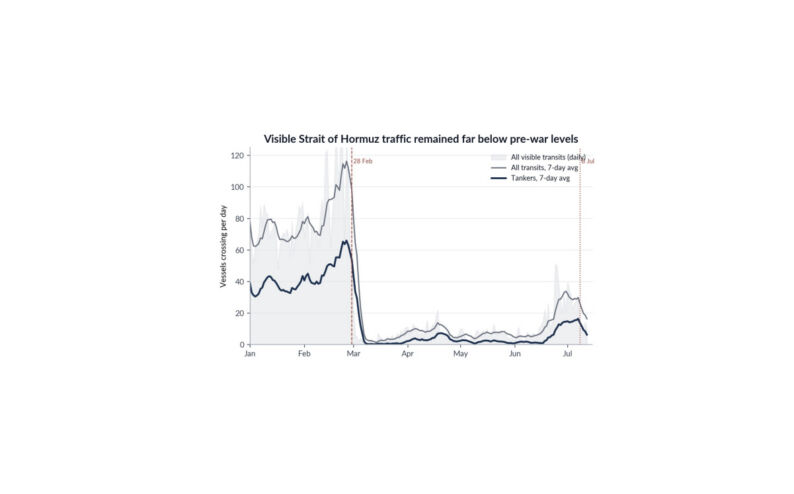
THE LONG END HAS BEEN THE PROBLEM AND THE FED NEEDS TO GET AHEAD OF THE CURVE. The renewed exchange of strikes between the US and Iran has pushed oil prices and long-term yields higher, with 30y Treasuries well above 5% and real yields approaching 3%…which increasingly impacts mortgages, corporate investment, AI financing, and equity valuations. Yet the relatively contained response in crude is instructive. Kpler estimates that non-Iranian Gulf exports have recovered to around 9mb/d, or 65% of pre-war levels once ship-to-ship transfers and the Fujairah and East-West pipelines are included. Dark transits and bypass routes have weakened the relationship between visible traffic through Hormuz and the barrels ultimately reaching the market. In essence, the Strait remains severely impaired…but the oil is increasingly getting out. Weaker Chinese demand and inventory drawdowns provide another release valve, whilst President Trump’s own reflexivity may impose a political ceiling if higher energy prices begin to weigh on consumers ahead of the midterms. Nevertheless, capped crude is different from a benign inflation shock. Refined-product supply remains constrained, margins are elevated and inventories depleted…as I have written before, diesel, jet fuel and gasoline transmit the disruption more broadly than the crude benchmark alone. More fundamentally, repeated supply shocks are increasingly a feature, rather than a bug, of a more fragmented global economy. Central banks could look through one isolated shock when inflation was low and expectations unquestionably anchored…but not an indefinite sequence when inflation has already been above target for several years. The sell-off at the long end therefore reflects more than oil…investors are demanding greater compensation for inflation uncertainty, fiscal deterioration and Treasury supply, heavy hyperscaler issuance and an uncertain Fed reaction function. Governor Waller reinforced that final uncertainty this week. Chair Warsh argues that the summer’s better prints do not establish meaningful improvement in underlying inflation…but Waller believes the trend is better than reported core PCE suggests and is inclined to hold if August CPI remains benign. In other words, he is not asking whether the economy can withstand another hike, but whether the inflation data still require one. Elsewhere, the RBNZ has acted, whilst the RBA and Bank of Canada are becoming less willing to look through repeated energy shocks. Warsh’s own standard…that inflation must be moving towards target clearly and at sufficient speed…also points towards action. With inflation still elevated, employment near maximum, growth above 2%, and another supply shock underway, action now needs to catch up with the rhetoric. In my mind, a well-signalled September hike may therefore be the most constructive outcome for risk assets. It would not mechanically lower the 30y yield, but a credible demonstration that the Fed is ahead of the curve could reduce inflation uncertainty, term premium, and the risk of a much larger tightening cycle later. For housing, capex, AI financing and equity valuations, the long end is a considerably more important constraint than another 25bp in policy rates…something both Secretary Bessent and Chair Warsh certainly understand. If the conflict normalises, crude remains capped, the IG issuance bulge passes and the Fed acts credibly, a retracement in long-end yields looks increasingly plausible. That would be far more supportive of the economy and risk assets than another hold which leaves the bond market to do the Fed’s work at a much higher financial cost.
Legal Entities Disseminating this Material: This material is disseminated in the United Kingdom by Citadel Securities (Europe) Limited (“CSEL”) regulated by the Financial Conduct Authority (“FCA”) (Registered company number: 05462867); in the European Union by Citadel Securities GCS (Ireland) Limited (“CSGI”) and its Paris Branch regulated by the Central Bank of Ireland (“CBI”) (Registration Number: C173437); in Hong Kong by Citadel Securities (Hong Kong) Limited (“CDHK”) licensed by the Securities and Futures Commission of Hong Kong (“SFC”), in Japan by Citadel Securities Japan Co., Ltd (“CSJC”) registered as a Type 1 financial instruments business operator with the JFSA; and in the United States of America by Citadel Securities LLC (“CDRG”) registered with the Securities Exchange Commission (“SEC”) and Financial Industry Regulatory Authority (“FINRA”), Citadel Securities Institutional LLC (“CSIN”) registered with the SEC and FINRA or Citadel Securities Swap Dealer LLC (“CSSD”) registered with the SEC, Commodities Futures Trading Commission (“CFTC”), and National Futures Association (“NFA”). Unless governing law permits otherwise, you must contact a Citadel Securities entity in your home jurisdiction if you want to use our services in effecting a transaction in any financial instruments or securities, including derivatives.
FOR INSTITUTIONAL USE ONLY; FOR PROFESSIONAL CLIENTS AND ELIGIBLE COUNTERPARTIES ONLY. This material is not intended as and does not constitute investment research. Contents of this material will be strictly limited to non-specific, generic information (i.e. macro events/topics) and are not subject to the Markets in Financial Instruments directive (MiFID II) or FINRA research rules. This material does not constitute an offer, solicitation, invitation, or inducement to purchase, acquire, subscribe to, provide, or sell any financial instrument or otherwise engage in investment activity.
https://www.citadelsecurities.com/privacy/
Please see additional important disclosures, including disclosures that may be relevant to your country of residence or business at: https://www.citadelsecurities.com/disclosures/citadel-securities-fimm-sales-trading-disclosures/