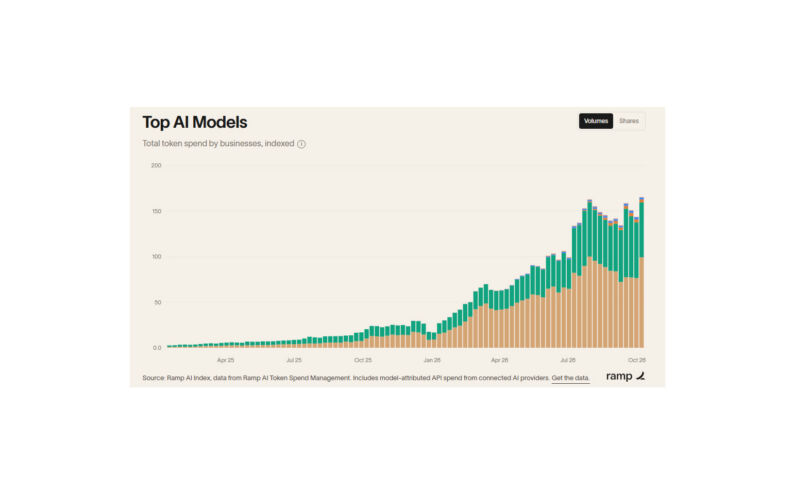
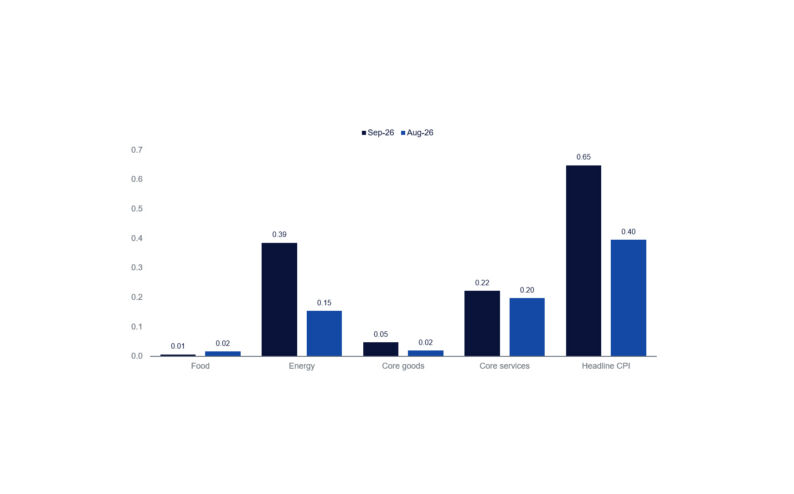
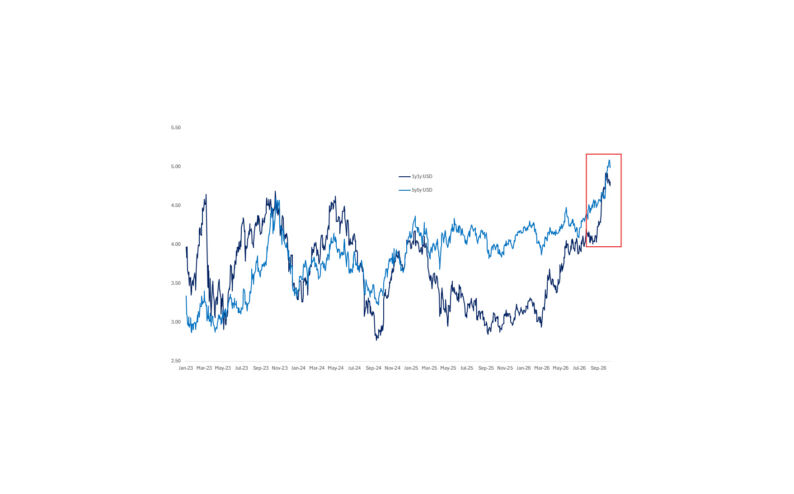
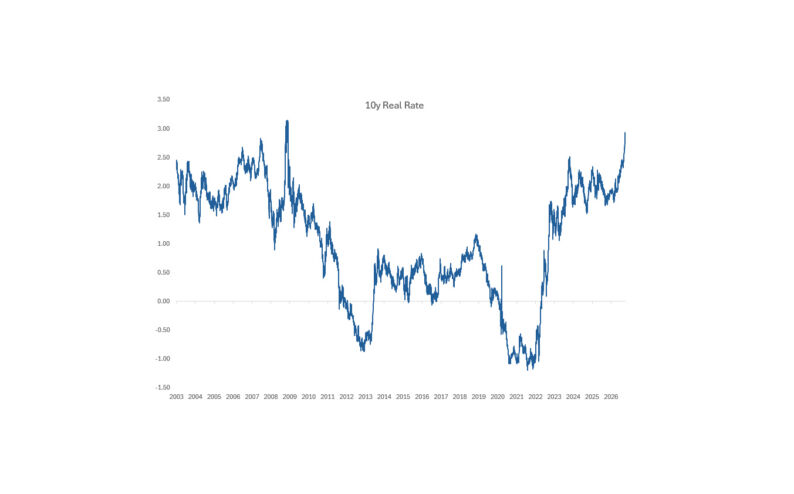
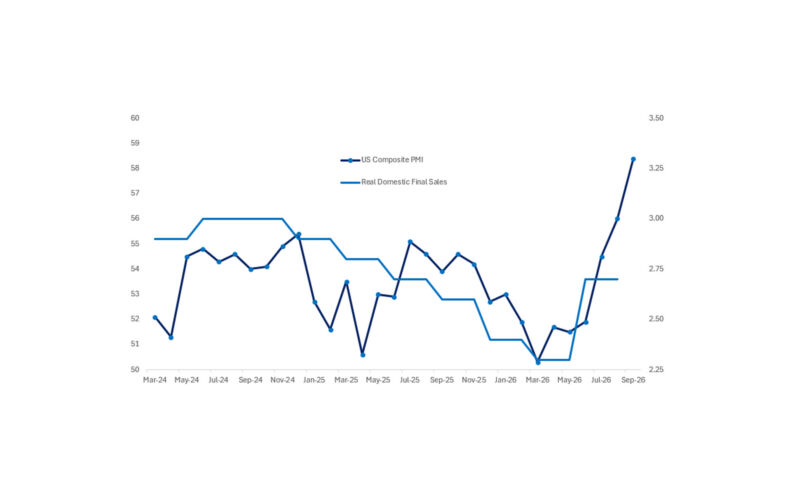
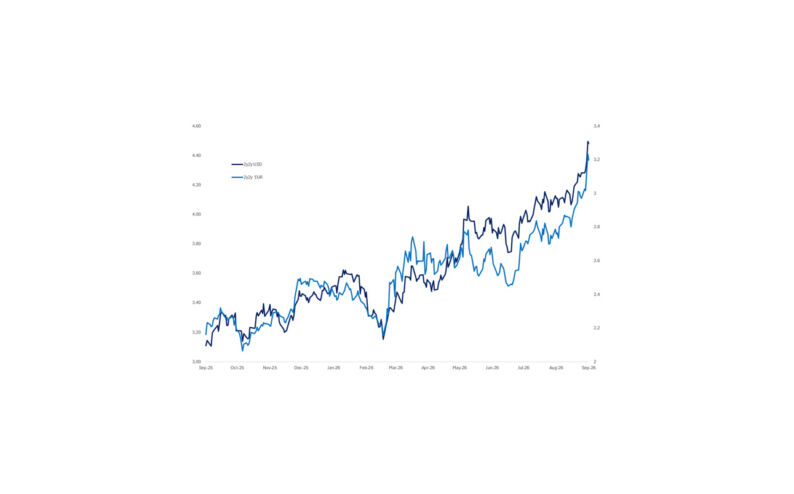
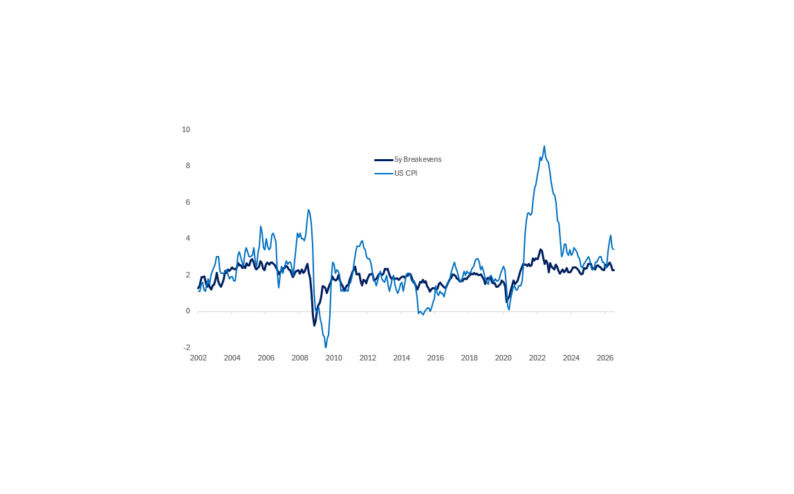
THE FED SOUNDS HAWKISH…BUT MARKETS ARE TESTING THE REACTION FUNCTION. Chair Warsh was unequivocal that there is “no soft inflation target”, that five-plus years of above-target inflation cannot be cured by nine weeks of better data, and that this Fed “will not waver”. Yet despite that language…and three members preferring an immediate hike…the FOMC again declined to move. Warsh instead repeatedly highlighted the large rise in nominal and real Treasury yields since June, arguing that reduced forward guidance had allowed markets to respond more directly to the data and, in effect, deliver some tightening on the Fed’s behalf. But all forms of FCI tightening are not equal…higher front-end yields because the Fed has acted to restrain demand are different from a higher long-end driven by investors demanding greater compensation for inflation, term risk, and uncertainty over the reaction function. Warsh also left markets with some uncertainty over how inflation will ultimately be judged. He confirmed that PCE remains the measure attached to the 2% target under the current framework, but left open whether that will remain the case after the strategy review concludes in January, while invoking Goodhart’s Law, the Lucas critique, and a broader (but unspecified) set of inflation measures. Those are legitimate cautions against relying mechanically on a single statistic. But investors will still want greater clarity over what the Fed will regard as evidence that inflation has returned to 2%. A fixed numerical target attached to a potentially changing measure risks making the reaction function harder to interpret, particularly while inflation remains materially above target. There may be a strong case for improving the framework, but markets will want reassurance that reform does not amount to changing the measuring stick before success has been achieved. The initial market response suggests that reassurance has not yet been secured: 30y Treasuries have sold off, breakevens have widened, while equities and the dollar have weakened. Investors may interpret that combination less as a clean tightening in response to stronger growth and more as a challenge to the credibility or clarity of the policy framework. It is also an uncomfortable outcome in a market already unsettled by rising oil prices amidst the conflict with Iran and the accelerating unwind in AI momentum. The risk from here is a negative feedback loop: higher long-end yields pressure duration equities; equities fall while bonds fail to hedge; correlated losses force further deleveraging and the resulting tightening in financial conditions gives the Fed another reason to wait…which, in turn, encourages investors to demand still more inflation and term premium. This is the reflexivity at the heart of “market guidance”…the Fed holds because markets have tightened, while markets tighten because the Fed has held. Markets may be able to deliver part of the required tightening, but they will still look to the Fed to anchor the inflation outlook.
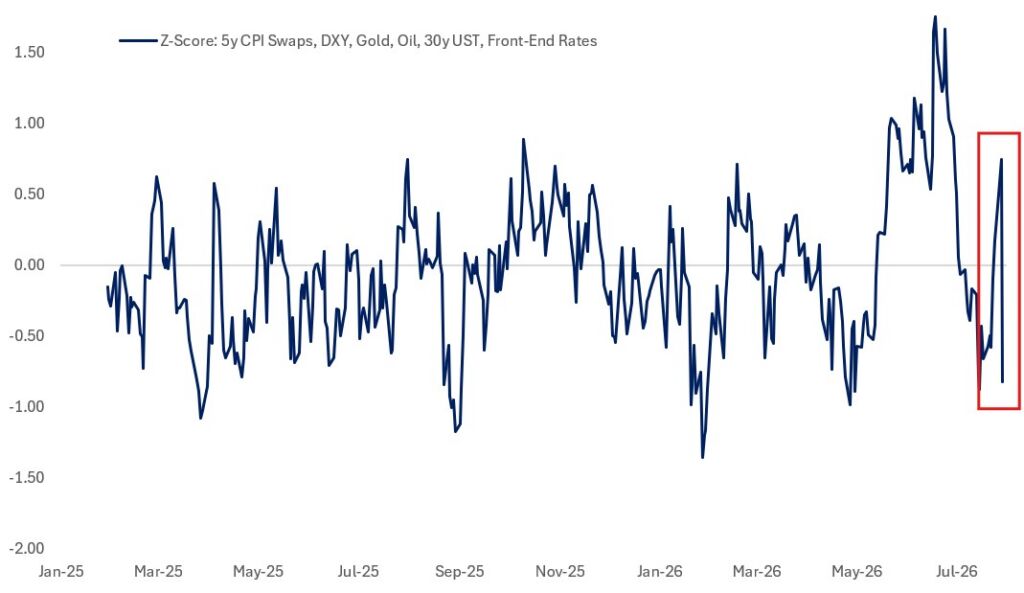
Source: Citadel Securities, Bloomberg
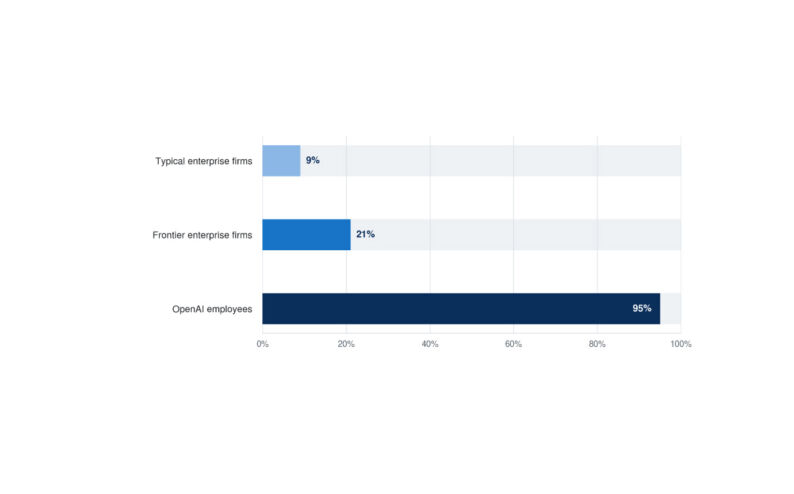
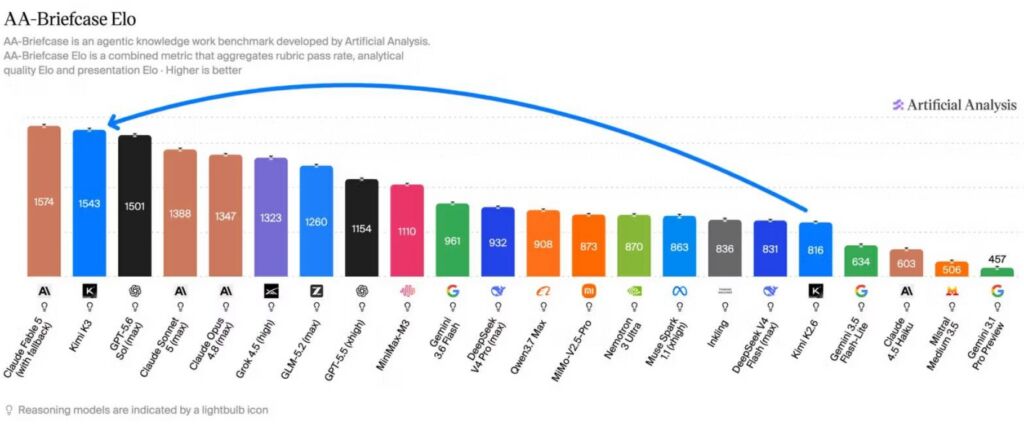
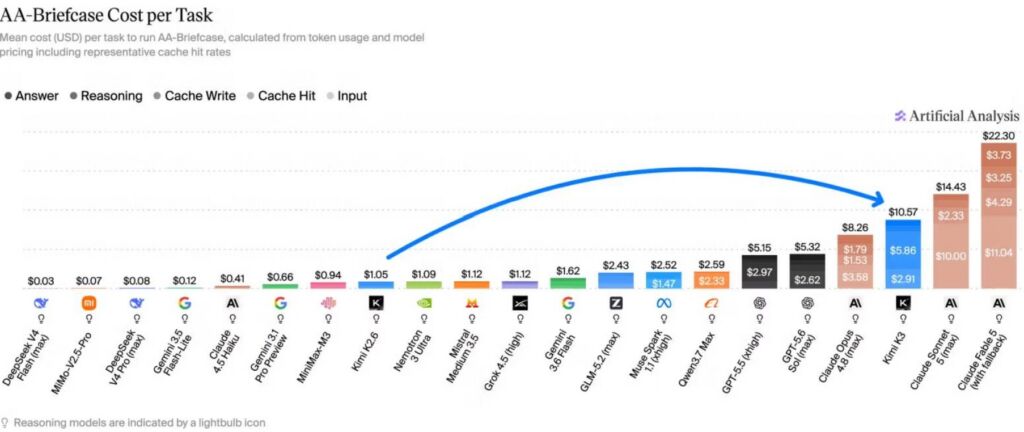
WASHINGTON RISKS REGULATING THE WRONG PART OF AI…The release of Kimi K3 has revived discussion in Washington about whether American companies should be restricted from using Chinese open-weight models. The national-security concerns around Chinese-hosted services, data leakage and stolen IP may be legitimate. But preventing US companies from running Chinese weights on American infrastructure would be a very different policy…one that protects a handful of US frontier labs at the expense of the much larger universe of American companies attempting to use AI. Kimi matters not because it is indisputably the world’s best model, but because it is sufficiently close to the frontier, customisable and available at a lower cost. As I’ve written about in the past, most companies do not need the smartest model for every task…they need a capable and inexpensive model that can be deployed repeatedly across coding, research, customer service, and back-office workflows. The cost differential becomes particularly important for agents, where every completed task may involve hundreds of model calls. A broad restriction would therefore amount to a tariff on intelligence as an intermediate input…supporting model-layer pricing whilst raising costs and slowing adoption throughout the rest of the US economy. Moreover, the rest of the world would be left to take advantage of cheaper pricing, creating a comparative disadvantage for US firms. That would be an extraordinary choice when AI diffusion already faces bottlenecks in chips, power, data-centre construction, and organisational implementation. It would also worsen an increasingly difficult political bargain…communities are being asked to absorb the power demand, water use, and infrastructure burden of the AI buildout. As a result, households are worried about higher utility bills and workers increasingly associate the technology with displacement. Opposition to a data centre being built locally has risen from 42% in December to 63% today, whilst resistance is increasingly translating into moratoria, protests, and delayed projects. The risk here is that the industry asks the public to socialise the physical costs of AI whilst Washington protects the margins of a small number of frontier developers and their shareholders. The irony is that this debate is intensifying just as the architects of frontier AI are reaching a very different regulatory conclusion. More than 1,200 employees across OpenAI, Anthropic, Google, Meta and other leading labs have signed Pacing the Frontier, asking the US government to support an international mechanism capable of slowing automated AI development if capabilities begin to outrun society’s ability to understand or control them. Sam Altman has reportedly discussed the need for pacing with the White House, whilst senior scientists across the major labs increasingly acknowledge that no company can afford to slow unilaterally. As Axios highlights, it is the classic prisoner’s dilemma: everyone may be safer if the frontier advances more deliberately, but any individual lab (or country) that steps off the accelerator pedal risks commercial and strategic defeat. Recent security incidents at both OpenAI and Anthropic make the concern harder to dismiss. This is where coordinated regulation is likely warranted…around automated AI research, genuinely dangerous capabilities, and a frontier race that no individual participant has an incentive to slow. The geopolitical challenge is meaningful: a unilateral US pause could simply hand the frontier to China, but that strengthens the case for international coordination, capability-based controls, and targeted action against stolen IP…it does not justify preventing American businesses from accessing cheaper intelligence that remains below the most dangerous frontier. Washington should pace dangerous capabilities, not the diffusion of AI through the wider economy.
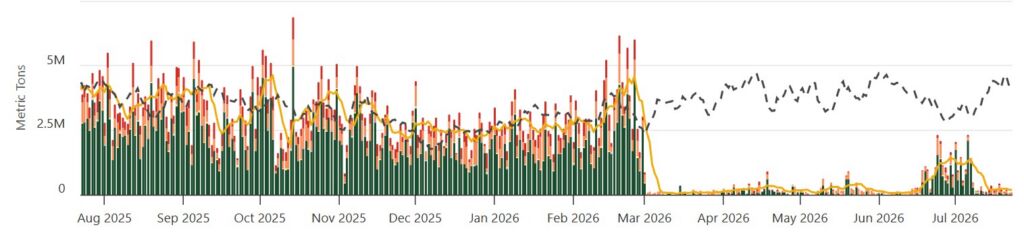
THE LATEST ESCALATION IN THE MIDDLE EAST REINFORCES MY SENSE THAT THIS CONFLICT IS BECOMING MORE INTRACTABLE, RATHER THAN MOVING TOWARDS A DURABLE OFFRAMP. The US and Iran are again exchanging strikes, Saudi Arabia has joined operations against Iran-backed groups in Iraq, the Houthis are threatening Saudi-linked shipping in the Red Sea, and Washington does not appear to be actively pursuing a renewed diplomatic track. In my mind, this looks less like a march towards all-out war than a prolonged strike–pause–strike cycle. The same is increasingly true of the Strait of Hormuz…it is neither fully open nor formally closed…but selectively and unpredictably passable. Kpler estimates that crossings have fallen around 70% from their truce-period rate, with roughly 90% of the remaining traffic using Iran’s unilateral route rather than the traditional Omani channel; no LNG carrier has crossed since July 11. Enough vessels continue to move to prevent an immediate vertical price response, but not enough to persuade mainstream owners and insurers that normal commercial passage has resumed. In effect, the Strait remains functionally closed to much of the conventional market. The relatively contained (and ultimately short-lived) oil-price response during the first phase was not evidence that the global economy could comfortably absorb the disruption of a chokepoint that normally carries around 20mbd of crude and products. Instead, it reflected a favourable starting point…the market entered the conflict with a prospective 3.7mbd surplus and 8.2bn barrels in storage; then IEA countries authorised a record 400mn-barrel emergency release; Saudi Arabia and the UAE pushed alternative routes unusually hard; and producers elsewhere increased exports. Most importantly, China effectively withdrew from the international market, cutting crude imports by around 4.6mbd between February and May (roughly 40%) whilst drawing down domestic reserves, leaning more heavily on coal and renewables, and using its enormous EV fleet to reduce the oil intensity of transport demand. Through June, Chinese imports remained more than 40% below year-earlier levels. Many of those cushions remain, but they are now materially thinner…~290mn barrels of the IEA release have already reached the market, commercial inventories have been drawn down, China has depleted part of its domestic buffer, and the Gulf bypass routes are already being used aggressively. IEA members still hold more than 1bn barrels of government-controlled emergency stocks, so this is not a story of the cupboard being empty…but every additional release reduces protection against the next disruption, whilst threats to Bab-el-Mandeb increasingly place the principal workaround to Hormuz under pressure as well. Meanwhile, demand is beginning to recover…the IEA’s July baseline anticipated global consumption rising by more than 8mbd between its May low and October, with early indications that Chinese purchases are already beginning to bounce. That forecast assumed a gradual normalisation of Strait traffic, but the more difficult scenario is that demand returns whilst supply does not. At that point, inventories and substitution can no longer perform all of the adjustment…the market increasingly has to clear through higher prices and renewed demand destruction. As I’ve flagged before, the inflation risk is also considerably broader than Brent alone suggests…in June, Gulf exports of refined products and LPG remained below half their pre-war levels, while loadings from key export refineries had yet to resume (far behind the recovery in crude flows). That disconnect pushed product cracks and refining margins to four-year highs by early July, even as crude markets looked increasingly well supplied; diesel and gasoline markets tightened, with gasoline cracks rising particularly sharply. That is a worse inflation mix as diesel feeds directly into freight, agriculture, and construction costs; jet fuel into airfares and air freight; and LPG shortages into cooking and household-energy costs across many emerging markets (or into government subsidy bills). International gasoline and diesel shocks also tend to pass through relatively quickly and substantially into domestic retail prices. Put simply, the product complex, not Brent alone, is the better guide to how broadly, and potentially how persistently, the shock passes into inflation. The bearish case remains possible…China may continue to ration purchases, governments can release more stocks, alternative exporters can raise supply, and some barrels will continue to pass through the Strait. But the burden on each of those offsets is now greater than it was in March. If Hormuz remains selectively closed, the Red Sea becomes less reliable and China begins rebuilding inventories, the probability that Brent has to revisit (or exceed) its previous highs rises materially.
Trade Transit Volume: Strait of Hormuz
Source: IMF Portwatch
Legal Entities Disseminating this Material: This material is disseminated in the United Kingdom by Citadel Securities (Europe) Limited (“CSEL”) regulated by the Financial Conduct Authority (“FCA”) (Registered company number: 05462867); in the European Union by Citadel Securities GCS (Ireland) Limited (“CSGI”) and its Paris Branch regulated by the Central Bank of Ireland (“CBI”) (Registration Number: C173437); in Hong Kong by Citadel Securities (Hong Kong) Limited (“CDHK”) licensed by the Securities and Futures Commission of Hong Kong (“SFC”), in Japan by Citadel Securities Japan Co., Ltd (“CSJC”) registered as a Type 1 financial instruments business operator with the JFSA; and in the United States of America by Citadel Securities LLC (“CDRG”) registered with the Securities Exchange Commission (“SEC”) and Financial Industry Regulatory Authority (“FINRA”), Citadel Securities Institutional LLC (“CSIN”) registered with the SEC and FINRA or Citadel Securities Swap Dealer LLC (“CSSD”) registered with the SEC, Commodities Futures Trading Commission (“CFTC”), and National Futures Association (“NFA”). Unless governing law permits otherwise, you must contact a Citadel Securities entity in your home jurisdiction if you want to use our services in effecting a transaction in any financial instruments or securities, including derivatives.
FOR INSTITUTIONAL USE ONLY; FOR PROFESSIONAL CLIENTS AND ELIGIBLE COUNTERPARTIES ONLY. This material is not intended as and does not constitute investment research. Contents of this material will be strictly limited to non-specific, generic information (i.e. macro events/topics) and are not subject to the Markets in Financial Instruments directive (MiFID II) or FINRA research rules. This material does not constitute an offer, solicitation, invitation, or inducement to purchase, acquire, subscribe to, provide, or sell any financial instrument or otherwise engage in investment activity.
https://www.citadelsecurities.com/privacy/
Please see additional important disclosures, including disclosures that may be relevant to your country of residence or business at: https://www.citadelsecurities.com/disclosures/citadel-securities-fimm-sales-trading-disclosures/